
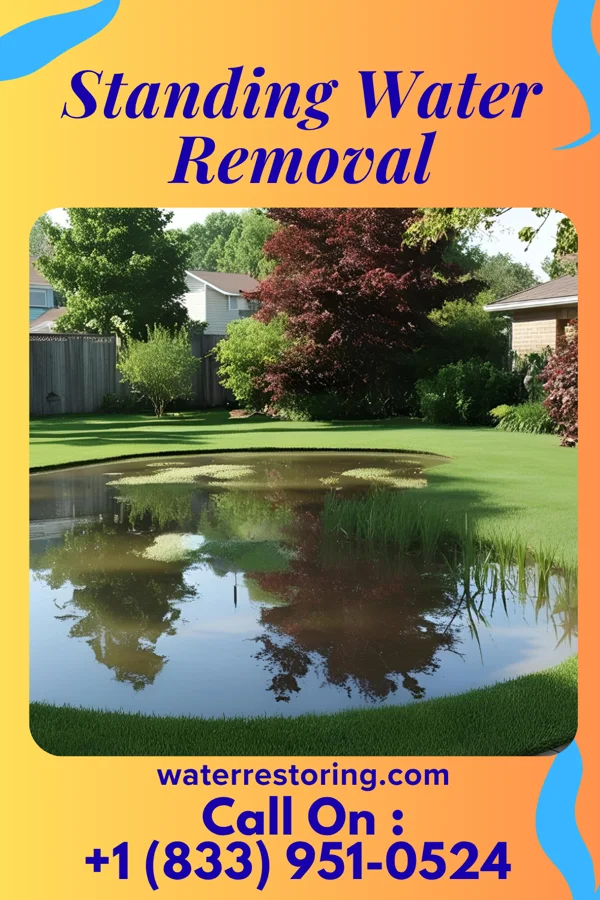
Ground-Water Standing Water in Bushnell
Water damage in Bushnell tends to cluster in predictable windows because of the local climate. In Bushnell, South Dakota, the primary water damage cause is often related to agricultural runoff and seasonal flooding due to the area's flat terrain and proximity to the Missouri River. Heavy rainfall during spring thaw can lead to water pooling around homes and farm structures, particularly in low-lying areas near Rolland Colony and Aurora. A close second is Secondary causes include leaking septic tanks, burst pipes in older infrastructure, and groundwater seepage through basements in rural Brookings County. These issues are common in the rural neighborhoods of Bushnell due to aging systems and limited access to modern drainage solutions..
Bushnell experiences a continental climate with cold winters and hot, dry summers, which can lead to frozen ground in winter and rapid evaporation in summer. This combination increases the risk of sudden water intrusion during thaw periods or heavy summer storms.
Bushnell experiences a continental climate with cold winters and hot, dry summers, which can lead to frozen ground in winter and rapid evaporation in summer. This combination increases the risk of sudden water intrusion during thaw periods or heavy summer storms. The dominant local driver is In Bushnell, South Dakota, the primary water damage cause is often related to agricultural runoff and seasonal flooding due to the area's flat terrain and proximity to the Missouri River. Heavy rainfall during spring thaw can lead to water pooling around homes and farm structures, particularly in low-lying areas near Rolland Colony and Aurora., with Secondary causes include leaking septic tanks, burst pipes in older infrastructure, and groundwater seepage through basements in rural Brookings County. These issues are common in the rural neighborhoods of Bushnell due to aging systems and limited access to modern drainage solutions. showing up as the next most common cause. Damage builds in stages. Spread. Absorption. Microbial growth. Structural compromise. Every stage you pass through adds to the final bill.